

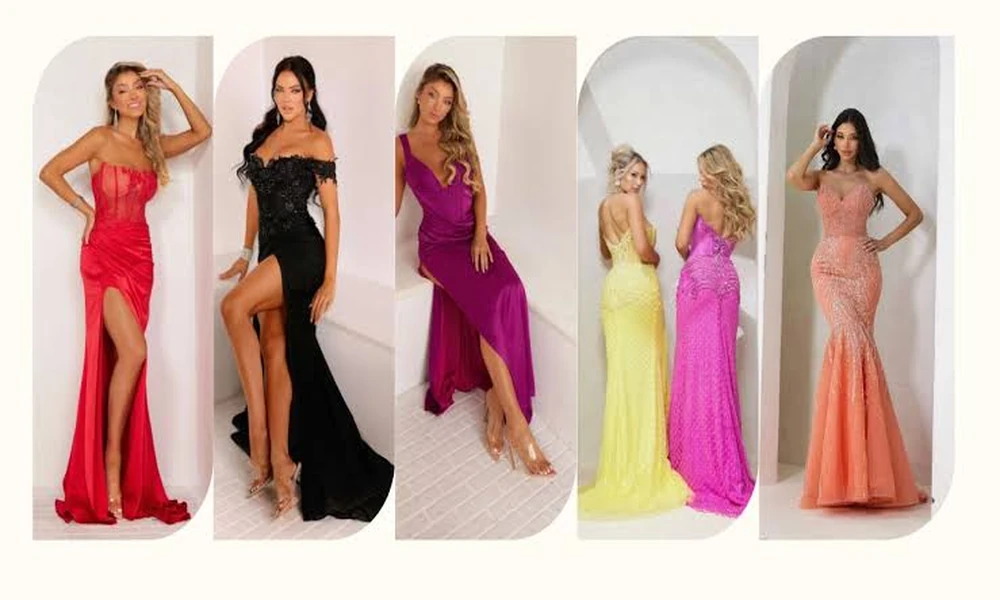
A dress is one decision instead of two, which is most of its appeal. The trade is that the fit has to work across the whole body at once, so a poor cut has nowhere to hide.
Check For A Lining
This is the most common complaint about dresses bought online and the easiest to avoid. A thin unlined fabric becomes translucent in daylight, which never shows in a product photograph taken indoors.
Look for a stated lining on anything pale or lightweight. Reviews mentioning transparency are more reliable than the listing itself, since photographs are shot under controlled light.
Stitched Or Unstitched
Not everything sold in this category arrives ready to wear. A Cotton Dress Material listing supplies fabric rather than a finished garment, which needs a tailor and about a week.
That is an advantage rather than a drawback if you want a precise fit, since a tailored piece fits properly where a readymade one approximates. It does mean planning ahead rather than buying two days before an event.
Silhouette
A line dresses release from the waist and are the most forgiving through the hip. Shift dresses fall straight without a defined waist. Wrap dresses tie and adjust to the body, making them the most size flexible.
Bodycon follows the body closely and needs fabric with enough weight to smooth rather than cling, which is where thin jersey disappoints and ponte does not.
Colour For Occasions
A Black Gowns choice is the safest occasion purchase, since black reads formal in any fabric and hides marks across a long evening.
Worth knowing for Indian venues specifically: warm indoor lighting flattens black slightly and makes jewel tones and metallics read richest. Black still works, though a deep emerald or wine photographs better under a hall light.
Necklines And Sleeves
The neckline frames the face and matters more than the hem does. A V neck lengthens the neck, a round neck reads neutral and a square neck suits broader shoulders. Sleeve length decides where the dress can go.
Fabric
Cotton and rayon breathe and suit daytime wear. Crepe holds structure and reads dressier. Georgette drapes softest and needs a lining. Jersey stretches and forgives fit while showing more than a woven fabric does.
Length
Knee length is the most versatile across settings, including offices with a dress code. Midi finishes between knee and calf and reads considered. Maxi falls to the ankle and is the most comfortable in heat, since air moves freely underneath.
Check the length in centimetres rather than trusting the photograph, since a hem that reads midi on a taller model can read maxi on a shorter frame.
Care
Wash lighter fabrics in cold water on a delicate cycle. Turn printed pieces inside out and dry in shade, since prints fade faster than woven colour in Indian sunlight.
Dry clean anything structured, boned or embellished. Hang rather than fold so no crease sets across the body, and steam rather than iron directly on synthetic fabric.
FAQs
1. How do I avoid buying a transparent dress?
Check the description for a stated lining and read reviews for mentions of transparency. Photographs never show fabric thinness.
2. What does dress material mean?
Unstitched fabric rather than a finished garment. It needs a tailor and about a week, which gives a better fit if you plan ahead.
3. Which silhouette is most forgiving?
A line or wrap. A line releases from the waist and skims the hip, while a wrap ties to adjust to your own measurements.
4. Is black always the safe choice?
Usually, though warm Indian venue lighting flattens it slightly. Jewel tones and metallics read richer under indoor hall lighting.
5. Which measurement matters most?
All three. Read bust, waist and length separately rather than the letter size, since length in particular varies enormously between brands.