

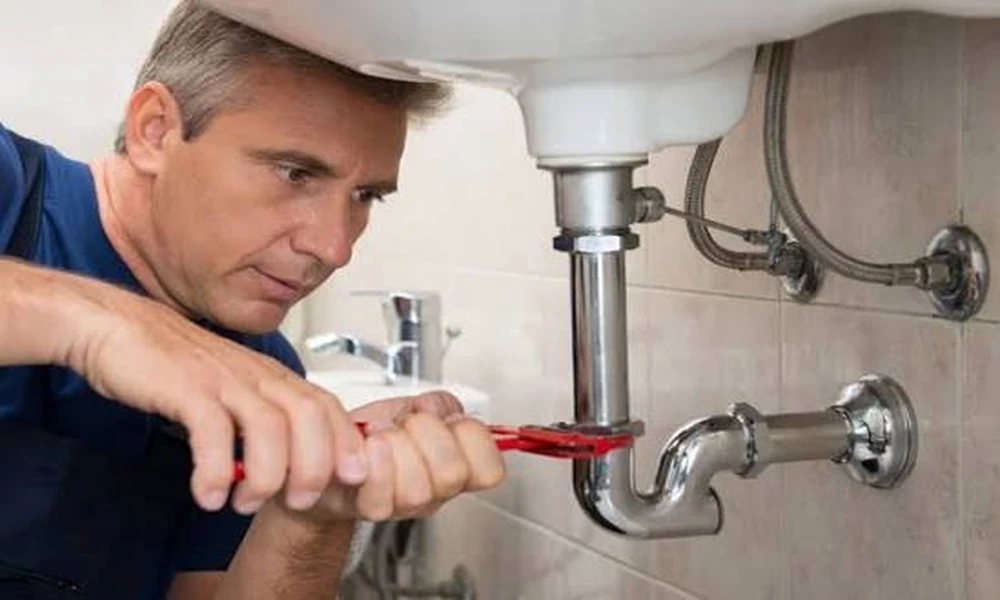
The drainage system is one of the most important but least visible aspects of any property. Tracing ground-level incidents has always been a long and frustrating process. Historically, investigations into drain problems would often involve a lot of digging, a lot of guesswork and a whole lot of inconvenience. Modern technology has made it easier for plumbers to check the drainage systems and has offered non-invasive testing tools today. Increasingly, these new methods, which provide accurate information without damaging homes and gardens unnecessarily, are being used by property owners searching for licensed plumber services on the North Shore.
Non-invasive drain checking procedures have transformed how drainage systems are examined. These techniques are helpful for homeowners, property managers and businesses.
Understanding Non-Invasive Drain Inspections
An excavation-free drain survey analyses the condition of buried pipes without needing to excavate large areas of the property. Specialised tools are used for the purpose of maintaining current buildings, landscaping and outdoor surfaces whilst getting to know about the drainage system.
The most common method of doing so is with advanced camera technology, which pulls through the lines and broadcasts video in real-time. This allows techs to look inside the pipe and identify any issues occurring without delay.
This technique is to philosophy you prepare a little bad surely does not cause too many troubles in economic property care because it accepts only production.
Preserving Outdoor Spaces
Non-invasive inspections can be most enjoyable because they are able to essentially maintain the safety of outdoor locations. Landscaping includes big investments by many homeowners, including gardens, lawns, driveways, paths and walkways.
This would have involved too much disruption for the conventional methods of investigation, which may have required burying and digging in these areas. Non-invasive methods eliminate plenty of this hassle by letting drainage systems be surveyed from present access points.
This will maintain the look and amenity of outdoor areas and still gather valuable data on underground infrastructure.
Faster Identification Of Drainage Problems
When looking for drainage, it is sometimes difficult to see what is wrong with just the signs. Slow drains, recurring blockages and strange smells can all have more than one cause.
Using non-invasive inspection techniques, techs can easily identify the source of these issues. They can see straight into the pipes to determine if the issue is due to build-up of debris, root infiltration, structural damage or something else.
Speeding up a diagnosis reduces wait times and streamlines putting the right solutions into practice.
Improving Accuracy In Maintenance Decisions
Property owners often have to make big decisions when it comes to the upkeep and repair of their drains. In order to know what is best, we must be accurately informed.
The real condition of the pipes is visualised through the non-invasive inspections. Rather than guessing, plumbers can clarify the situation regarding the drainage system by providing visual evidence.
The degrees of accuracy help people make better decisions and tell property owners about the performance of their equipment.
Detecting Hidden Issues Early
Many sewage issues begin as minor and grow worse with time. Little cracks, minor root infiltrations, and early signs of pipe wear are less readily apparent.
Non-invasive checks can help identify these lurking issues before they accelerate. Detecting problems in advance will help you tackle them when they arise while they are still manageable.
This means a proactive method that guarantees the sustainability of pipes and decreases the risk of problems occurring unexpectedly.
Supporting Cost-Effective Property Management
Property managers and homeowners alike must consider maintenance costs aimed at keeping them low. Non-invasive checks save on costs by removing the requirement for exploratory excavation and additional works that are not needed to assist with the investigation.
With more precise identification of challenges, resources can be channelled to just where the help is needed. This focused approach prevents unnecessary repairs and improves maintenance planning.
Good use of your maintenance budgets benefits both commercial and residential property owners alike.
Enhancing Long-Term Drain Performance
It is only when you know about the fault in your sewage system that you can keep it functioning properly. Non-invasive tests can provide you with a wealth of information concerning factors that may affect future performance.
Property owners who catch problem areas early are able to create repair plans that ensure the long-term efficiency of their drainage systems. This prevents the trash from becoming stuck and reduces the risk of problems recurring.
Monitoring, when done over time, leads to an overall better performance of the system.
Reducing Stress And Uncertainty
Drainage problems are annoying because the vast majority of the time, you cannot see them. Property owners often feel uncertain about the cause of recurring blockages or poor drainage performance.
Non-invasive inspections help eliminate much of this uncertainty by providing direct visual information. Seeing the actual condition of underground pipes gives property owners greater confidence in the diagnosis and recommended solutions.
Understanding helps you sleep better, for the most part, and do far less guesswork in terms of maintenance.
Conclusion
Non-invasive drain examination techniques in modern properties are highly beneficial. Now these technologies have transformed the drainage systems in an innovative way as they help to safeguard outdoor areas, provide accurate diagnosis, discover hidden issues at an earlier stage, and assist low-ticket maintenance plans. As plumbing technology continues to advance and improve, non-intrusive checks still provide an effective maintenance tool, providing a measurement of drain performance while minimising damage in key areas, which also protects the value of property.