

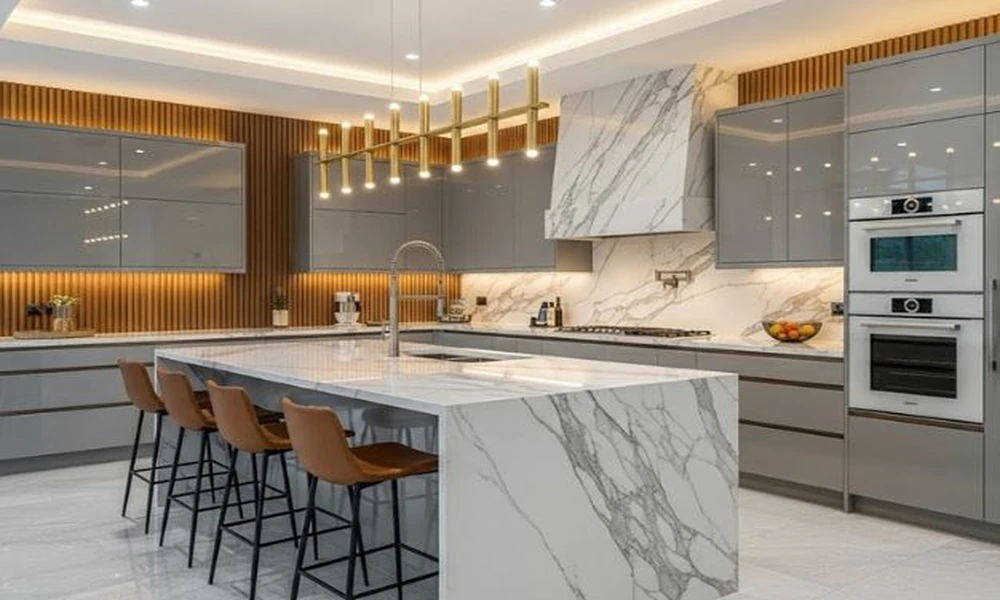
Step into a modern kitchen and you might notice it feels less like the utilitarian space of decades past and more like the beating heart of the home. The evolution of kitchen design is rewriting how we cook, gather, and live. From open-concept layouts to the rise of sustainable materials, kitchen renovations are reflecting broader changes in how we think about comfort, technology, and personal style.
Early Kitchen Renovation Trends: Foundations of Modern Design
The kitchen’s journey from purely functional to a space of self-expression started in earnest about a decade ago. Stainless steel appliances and granite countertops once set the gold standard, but priorities have shifted. The focus now leans on blending style and practicality.
From Functionality to Style: The Shift in Kitchen Priorities
No longer tucked away, today’s kitchens are designed to be seen. The shift began as homeowners craved spaces that supported both meal prep and social interaction. Islands grew larger, cabinetry became more streamlined, and design choices started to mirror the aesthetics of the rest of the living space.
Popular Materials and Layouts of the Past Decade
Quartz replaced granite as the preferred countertop due to its durability and low maintenance. Shaker cabinets with minimalist handles dominated, while L-shaped and galley layouts began to give way to open, unbounded arrangements. The palette moved from dark, heavy tones to bright whites and cool greys.
Influence of Technology Emergence on Kitchen Design
As technology crept into every aspect of our lives, smart appliances and touchless faucets became more common. Under-cabinet lighting and hidden charging stations started appearing, signaling that the kitchen was ready for a digital future.
The Rise of Open Concept and Multifunctional Spaces
Walls fell, and kitchens spilled seamlessly into dining and living areas. This open concept trend not only made spaces feel bigger but encouraged new kinds of daily rituals.
Breaking Down Walls: Integrating Kitchen with Living Areas
Removing barriers allows conversations and activities to flow uninterrupted. Suddenly, parents could supervise homework at the island while prepping dinner, and hosts could mingle with guests instead of being isolated behind closed doors.
Creating Zones: Cooking, Dining, and Socializing in One Space
Open layouts led to thoughtful “zoning” where specific areas cater to prepping, eating, and relaxing. Islands serve as both workspace and breakfast bar, while built-in banquettes offer cozy dining nooks.
How Lighting Trends Adapted to Open Layouts
Natural light became a prized asset. Designers use larger windows, glass doors, and layered lighting (pendants over islands, task lights under cabinets) to create inviting, flexible atmospheres throughout the day.
Smart Kitchens and Technological Integration
The modern kitchen is as smart as it is stylish. Connectivity and automation are no longer futuristic, they’re expected.
Introduction of Connected Appliances and Voice Control
Refrigerators can now suggest recipes based on contents, and ovens preheat with a simple voice command. Coffee machines sync with morning alarms, making breakfast routines smoother.
Energy Efficiency and Sustainable Tech Innovations
Smart appliances aren’t just about convenience. Many are engineered to minimize energy use, from induction cooktops to dishwashers that adjust cycles based on load size. Eco-friendly upgrades are top of mind for homeowners looking to reduce their carbon footprint.
Future-Proofing Kitchens: Trends in Automation
Future-proofing is about anticipating tomorrow’s needs today. Modular, upgradable appliances and integrated home assistants ensure that the kitchen will adapt as technology evolves.
Sustainable and Eco-Friendly Materials in Renovations
Environmental awareness has changed the way people think about kitchen renovations.
From Countertops to Cabinets: Choosing Green Materials
Recycled glass countertops, bamboo cabinets, and water-based finishes are taking center stage. These choices are as durable as they are easy on the planet.
Waste Reduction and Recycling Practices in Kitchen Design
Built-in compost stations and recycling centers are standard in many new kitchens, helping to make sustainable living part of the daily routine.
Impact of Environmental Awareness on Consumer Choices
Consumers now ask not just about the look but about the lifecycle of materials. This shift is driving demand for transparency from manufacturers and more thoughtful design from kitchen specialists.
Personalization and Customization in Modern Kitchens
Today’s homeowners crave a kitchen that reflects their life, not just a showroom.
Tailored Storage Solutions and Ergonomic Designs
Pull-out pantries, concealed appliances, and height-adjustable counters are just a few examples of how customization makes kitchens more comfortable and intuitive.
Mixing Styles: Blending Traditional and Contemporary Elements
Designers are breaking rules by mixing wood grains with sleek metals, pairing farmhouse sinks with ultra-modern lighting, and layering textures for unexpected visual interest.
Color Trends and Textural Contrasts
Deep blues, olive greens, and matte blacks are adding drama, while textured backsplashes and mixed materials keep the look fresh and engaging.
The Influence of Wellness and Mindfulness on Kitchen Spaces
Beyond function and aesthetics, wellness now guides kitchen design.
Incorporating Natural Elements and Biophilic Design
The embrace of live plants, natural wood, and stone connects the space to nature and creates a calming mood.
Creating Calming and Inviting Atmospheres
Soft lighting, uncluttered surfaces, and tactile finishes encourage relaxation and mindful cooking.
Kitchen Layouts Supporting Healthy Cooking and Eating
Designers consider flow, ventilation, and easy access to fresh ingredients, making it simpler to prepare healthy meals at home.
Emerging Trends Shaping the Future of Kitchen Renovations
The only thing certain in kitchen design is change.
Modular and Flexible Kitchen Components
Future kitchens are designed to adapt, think movable islands, plug-and-play appliances, and reconfigurable cabinetry.
Integration of AI and Predictive Technologies
Artificial intelligence is beginning to tailor kitchen experiences, anticipating users’ needs and optimizing routines behind the scenes.
Anticipated Shifts in Materials and Aesthetic Preferences
Expect more eco-conscious options, bold colors, and a move toward tactile, sensory-rich environments.
Navigating Your Kitchen Renovation Journey Today
With so many trends, how do you choose what’s right for your home? Start by assessing which features align with your life and values. Working with experts, such as those specializing in rénovation cuisine Askal Intérieurs, can reveal options you might not have considered and help balance modern innovations with enduring style. The kitchen will always be a place of gathering and nourishment, but how it looks and works is changing faster than ever. The key is to embrace the trends that serve you best, today, and for years to come.