

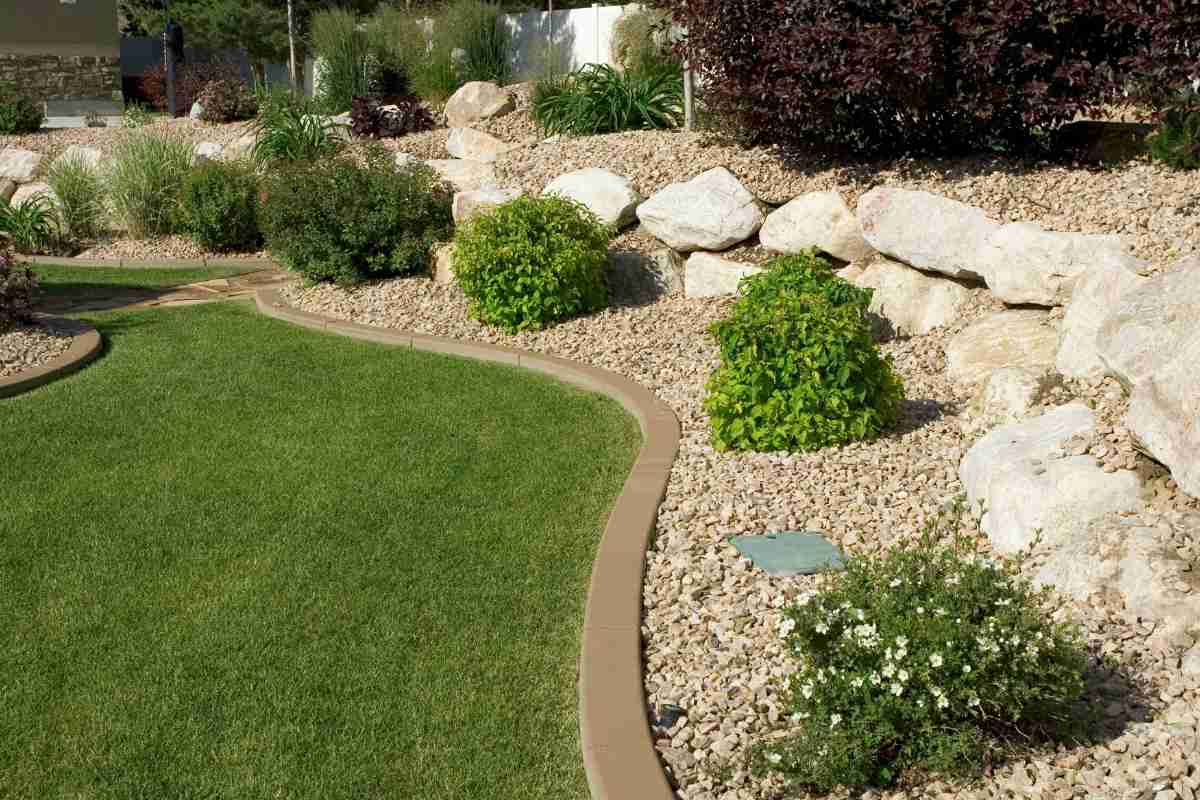
Most ‘high-maintenance’ yards aren’t that way because of the size. They’re that way because of bad design decisions made early on. Here’s how to fix it.
The Problem with Most Yards
Traditional landscaping – large lawn sections, ornamental annuals that need replanting each year, formal hedges requiring trimming every 6 weeks – was designed for a time when weekends were long and labor was cheap. For most homeowners today, neither is true.
The irony is that high-maintenance yards often look worse over time because they depend on consistent attention. Skip a few weeks during a busy period and the whole thing starts unraveling. Low-maintenance design, by contrast, tends to look better as it matures – plants fill in, ground covers spread, and the yard develops a natural cohesion that requires almost nothing from you.
Principle 1: Choose Native Plants
Native plants are the single most impactful change you can make. Plants native to your region evolved with your local climate, soil, rainfall patterns, and insects. They don’t need supplemental watering once established, don’t need fertilizer, and rarely need pest management.
A native oak, prairie grass, or coneflower – correctly placed – requires almost zero intervention after the first year. An exotic ornamental shrub in the wrong climate requires watering, feeding, and protection for as long as you own it.
Principle 2: Mulch Everything
A 3-inch layer of wood chip or bark mulch around plants and beds does three things that directly reduce your workload: it suppresses weeds (cutting weeding time by 70-90%), retains soil moisture (reducing watering frequency), and insulates roots against temperature extremes.
Most gardeners undermulch – a thin sprinkle of mulch does almost nothing. Go deep, cover the full root zone, and keep it away from plant stems to prevent rot. One application per year is usually sufficient.
Principle 3: Reduce Lawn Area
Lawn is the most labor-intensive element in any yard – weekly mowing, regular watering, seasonal feeding, weed control, aeration. For every square foot of lawn you replace with a planted bed, ground cover, or hardscaping, you reduce ongoing maintenance significantly.
You don’t need to eliminate lawn entirely. Keep it where it serves a genuine function: play area, gathering space, open sightline. Replace it everywhere else with alternatives that look better with less work.
Principle 4: Group Plants by Water and Light Needs
Mixing drought-tolerant plants with water-hungry ones means either overwatering the drought-tolerant ones (which often kills them) or underwatering the thirsty ones (same result). Group plants that need the same conditions together, and irrigation becomes simple and automatic – you water one zone, one way, without micromanaging.
Principle 5: Add Hardscaping
Patios, gravel paths, stone borders, raised beds, and retaining walls permanently reduce plantable area – and therefore maintenance. Hardscaping also defines the structure of the yard, which means the planted sections look intentional rather than overgrown even when they’re growing freely.
A well-designed gravel path or flagstone patio costs more upfront than sod but requires essentially zero maintenance for 15-20 years.
Best Low-Maintenance Plants by Region
| Region | Best Low-Maintenance Plants | Water Needs |
| Northeast / Mid-Atlantic | Black-eyed Susan, native ferns, serviceberry, wild ginger | Low once established |
| Southeast / Gulf Coast | Muhly grass, beautyberry, coneflower, native azalea | Low-moderate |
| Midwest / Prairie | Little bluestem, prairie dropseed, coneflower, wild bergamot | Very low – drought tolerant |
| Pacific Northwest | Sword fern, salal, Oregon grape, red flowering currant | Very low – rain-fed |
| Southwest / Desert | Agave, desert marigold, palo verde, desert willow | Extremely low |
| Mountain West | Blue grama grass, yarrow, Rocky Mountain penstemon, Apache plume | Low – high elevation adapted |
Low-Maintenance Lawn Alternatives
| Alternative | Cost (per sq ft) | Maintenance Level | Best For |
| Clover lawn | $0.50-1.00 | Very low – self-fertilizing | Mild climates; allows foot traffic |
| Native ground cover (creeping thyme) | $1-3 | Low after establishment | Sun areas; fills in beautifully |
| Ornamental grasses | $2-5 | Annual cutting only | Large areas; dramatic look |
| Decomposed granite / gravel | $1-3 | Minimal – occasional raking | Dry climates; modern aesthetic |
| Wildflower meadow | $0.25-0.50 (seed) | Annual mow in fall only | Large spaces; pollinator habitat |
| Mulched planting beds | $0.50-1.00 (mulch) | Low – top up annually | Replacing any lawn section |
Hardscaping Ideas That Cut Upkeep
- Flagstone or concrete pavers between beds – eliminates edge trimming and provides clean walking paths.
- Gravel or river rock as ground cover under trees where grass won’t grow anyway.
- Raised wooden or stone beds – contain plants, prevent root spread, and make weeding faster when needed.
- Dry creek beds – solve drainage problems decoratively with zero maintenance once installed.
- Pergola or shade structure – creates a defined outdoor room that anchors the yard’s design without any plants required.
Irrigation: Set It and Forget It
Drip irrigation systems – which deliver water directly to plant roots on a timer – are the single best investment for low-maintenance landscaping. They use 30-50% less water than overhead sprinklers, eliminate overwatering and underwatering simultaneously, and require programming once per season.
A basic drip system for a medium-sized yard costs $100-300 to install yourself and pays for itself in water savings within 2-3 seasons.
Budget Breakdown
| Solution | Avg Cost | Time Saved per Year | Long-Term Value |
| Native plant swap (per 100 sq ft) | $150-300 | 10-15 hours watering/feeding | Excellent – plants improve with age |
| Mulching (3″ depth, per 100 sq ft) | $20-60 | 5-8 hours weeding | High – needs topping up annually |
| Replace lawn with ground cover (per 100 sq ft) | $100-300 | 8-12 hours mowing/trimming | High – looks better as it matures |
| Drip irrigation system (full yard) | $200-600 | 15-30 hours watering | Very high – pays back in water costs |
| Hardscaping (patio, gravel path) | $500-3,000+ | Ongoing maintenance eliminated | Very high – 15-20 year lifespan |
Common Mistakes That Create More Work
- Planting fast-growing shrubs near fences or foundations – they require constant trimming and eventually cause structural damage.
- Choosing plants based on appearance at the nursery without checking mature size – overcrowding forces annual cutting.
- Skimping on mulch depth – thin mulch doesn’t suppress weeds and needs reapplication twice as often.
- Installing annuals that need replacing every year – perennials and natives are permanent.
- Not considering drainage – waterlogged areas kill plants and create maintenance headaches. Fix drainage first, plant second.
The upfront investment in good design – the right plants, proper mulching, some hardscaping – pays back every single weekend for years afterward. Most homeowners who make the shift to low-maintenance landscaping report wondering why they didn’t do it sooner.