

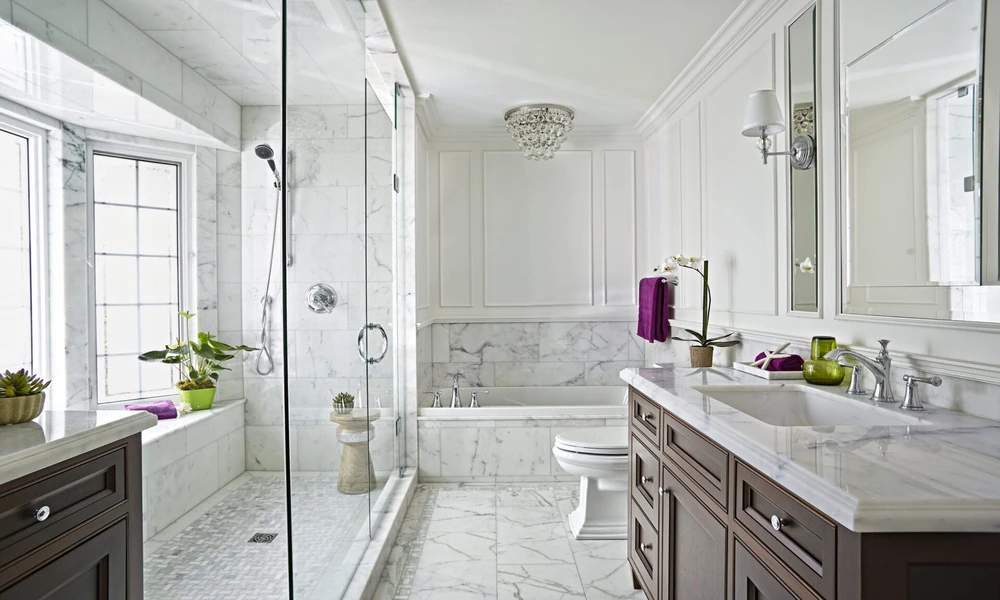
Ask anyone who has spent years tearing out old bathrooms what they think about during demolition, and the answer is rarely tile color. It’s the floor around the toilet, the drain line under the tub and the wiring behind the mirror. The part of the room you look at every morning is usually the least important part of a full renovation. The part you never see decides how long the new one will last.
That gap between surface and structure matters a lot in the older neighborhoods around Harahan and the east bank of Jefferson Parish, where many houses still have bathrooms dating back to their original construction. Homeowners researching full bath renovations in Elmwood will find local teams like Luxury Bath of the Gulf Coast, which keeps its office on River Oaks Road West and handles everything from one day shower conversions to complete rebuilds, with monthly payment plans for people who’d rather not fund the project all at once. No matter who does the work, a full remodel follows a predictable story, and knowing that story helps you plan the budget and the calendar.
Deciding That a Cover Up Won’t Do
Not every dated bathroom needs to be gutted. If the floor feels solid, the toilet sits firmly and the only problem is a stained tub, a surface update may be the smarter spend. The case for a full renovation builds when the symptoms point beneath the finishes. Cracked or hollow sounding floor tile, a toilet that rocks no matter how tightly it’s bolted, ceiling paint that keeps blistering and water that runs brown for a few seconds are all signs that the trouble lives inside the walls or under the floor.
Layout is the other deciding factor. Once you want to move the shower, widen the vanity or relocate the toilet, you’ve committed to opening the room completely, because the plumbing has to follow the fixtures.
The First Day the Walls Come Down
Demolition is fast and loud, and it’s also the most revealing day of the entire project. With drywall and old tile gone, the crew can finally see the framing, the subfloor and the pipes. This is when budgets get tested.
Many homes in this area were built on concrete slabs, so drain lines run below the floor. In houses from the middle of the last century, those lines are often cast iron. It’s sturdy material, but over decades it builds up scale inside and can crack or wear thin along the bottom, particularly in the soft soils common to south Louisiana. A camera inspection of the drain before new tile goes down costs little and can save you from breaking up a finished floor a year later. If the line is failing, replacing it while the slab is already exposed is far cheaper than coming back to it.
Supply lines tell their own tale. Galvanized steel pipes corrode from within and slowly narrow, which explains the weak shower pressure so many older homes put up with. A gut renovation is the obvious time to move to copper or PEX and to install shutoff valves that actually work when you need them.
Old Paint and Old Wiring
Age brings one more consideration that’s easy to overlook. Homes built before 1978 may hold lead based paint under newer coats, and sanding or cutting through it releases hazardous dust. Contractors working on these homes are required to be certified and to follow lead safe practices, and the EPA’s Renovation, Repair and Painting Program page explains what homeowners should expect. Asking for that certification before demolition is one of the simplest protections you have.
Electrical work usually needs an upgrade as well. Original bathrooms often have a single outlet with no ground fault protection, sometimes sharing a circuit with half the house. Current codes expect protected outlets near water, and lighting, fans and heated features all need adequate power. Moving plumbing or adding circuits generally means a parish permit and inspection, and those dates belong on your schedule from the start rather than surprising you halfway through.
Building the New Room to Stay Dry
Once the bones are repaired, the rebuild is really about water. South Louisiana bathrooms deal with it from two sides. Inside, steam and heavy humidity soak into anything porous. Outside, low elevation leaves some properties exposed to flooding, and you can check your address on the FEMA Flood Map Service Center to understand the risk.
Those realities shape good material choices. Cement backer board paired with a waterproof membrane behind the shower walls does far more for longevity than any premium tile. Porcelain floors handle moisture better than laminate or vinyl that can trap water underneath. In flood prone homes, a wall mounted vanity or one raised on legs keeps the cabinet off the floor and easier to save. Above all, the exhaust fan should be sized for the room and ducted outdoors. Fans that dump moist air into the attic simply move the mold problem upstairs.
Finishing With the Next Twenty Years in Mind
The finishing stage is where the room starts to look like the pictures you saved, and the smaller decisions matter more than people expect. Larger floor tiles mean fewer grout lines to clean. A recessed niche keeps shampoo off the tub ledge. Drawers in the vanity hold more than doors do. Lighting at face level beside the mirror, not just overhead, makes the space feel bigger and far more usable in the morning.
Thinking ahead pays off here too. While the walls are open, wood blocking can go in behind the drywall so grab bars can be mounted later without tearing anything out. A low threshold or curbless shower looks clean now and stays accessible if someone in the household later struggles with a tub wall. These choices cost very little during construction and quite a bit afterward.
How Long the Whole Story Takes
A full renovation commonly runs two to four weeks once demolition starts, and it moves through a natural rhythm. Demolition and repairs come first, then rough plumbing and electrical with their inspections, then waterproofing, tile and paint, and finally fixtures, lighting and a last inspection. Delays most often come from backordered materials or from damage found in that first week, so ordering tile, the vanity and fixtures before the crew arrives keeps the room from sitting half finished.
A full remodel asks for more patience than a quick swap, but it’s the only kind of project that answers the questions an old bathroom has been hiding. When it’s done right, you end up with a room that’s not just better looking but sound from the slab up, ready for decades of steamy summer mornings.